The pinch is already beginning to squeeze tech buyers in 2026, although it is having a much bigger effect on software prices than it will their own pocketbooks: RAM (memory) shortages are beginning to raise the worldwide cost of laptops. This is not a temporary supply hiccup as is the case with temporary sales fluctuations. The high demand driven by AI accelerators and data centers, limited manufacturing capacity, and a change in priorities in the market among memories manufacturers have resulted in a structural crunch of supply between DRAM and NAND markets. That asymmetry implies that manufacturers are charging a premium on memory modules, and the laptop manufacturers are transmitting it to the consumers.
Memory supply is being consumed by AI And Data Center Demand.
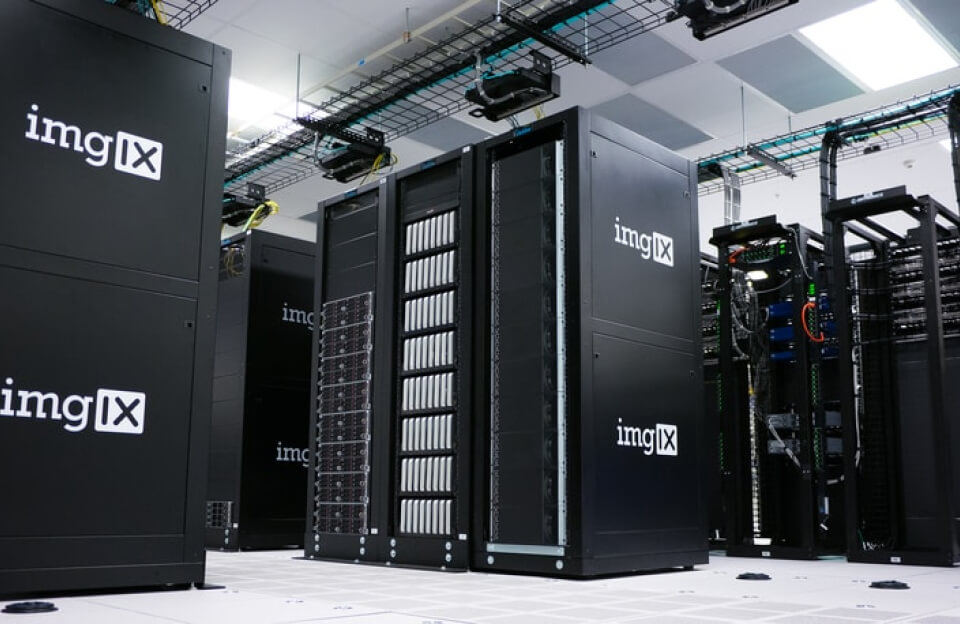
AI and data center deployments have become one of the largest contributors to the memory crunch and demand enormous quantities of high-speed memory. Services that consume DRAM the most have been consumed by cloud providers and enterprises that are growing AI infrastructure, at high prices. This translates to less memory space capacity to consumer PCs and laptops. As memory prices soar higher than in the past a few years, OEM laptop manufacturers have less capacity to subsidize prices and they have to charge higher base prices even to mid-range models that have traditionally made RAM affordable.
The result? A setup that would have cost $899 in 2024 would regularly be priced over $1,099 in 2026 just because the RAM that was once priced at 30 per module is now worth several times that price. This is particularly effective in laptops whereby memory is not user upgradeable in most laptops.
Makers of laptops have difficulty in production and profit margins.
The margin of profit is slim in the laptop makers. As the cost of RAM rises, business enterprises have a hard decision to make: either subsidize the expense and reduce the profit margin, or raise the retail price to achieve financial objectives. The latter is being adopted by most companies, with investors emphasizing on sustainability and growth. Others are also restricting RAM options to higher base or even removing low memory options entirely, constraining options and indirectly compelling customers to purchase more expensive systems.
This is particularly evident with the thin-and-light laptops and high-end ultrabooks, where soldered RAM is the norm. There is no ready route to aftermarket upgrades so manufactures are adding more memory capacities to base models – and charging.
Price Pressure Will Be felt everywhere on the part of the end users.
Both the consumers and businesses are feeling the pinch. Creators, students, and professionals who purchase new laptops to work or study at school now have to make a higher entry fee. Cpriceless increases have also been experienced on even the low-priced Chromebooks and entry notebooks. Given that memory is a fundamental element that cannot be reduced without impacting the performance and performance significantly, there is not much flexibility to avoid the following price increases.
Consequently, the number of buyers putting upgrades on hold or finding older stock, typically at a discount, is on the rise because in 2026 prices on new machines may be very high indeed relative to only a few years back. Promotions are also changing among retailers with small discounts that hardly counter the bigger picture.
Long-run Tendencies Indicating this is Not a Short-term rise in price.
In contrast to the previous years of supply crises which were alleviated by the increased production, this memory crash correlates with the long-term changes in the technological industry. The AI workloads are not slowing down, on the contrary, the need in strong compute and memory bandwidth is growing quarter by quarter. The manufactures of memory are increasingly spending on high-end modules required in servers and AI accelerators instead of low-end consumer DRAM. It implies that the memory capacity of laptops might become limited even in 2027 and further.
The shortage in the RAM is in effect redefining the PC landscape. What once was a predictable yearly cycle of purchasing a laptop has become a matter of careful budgeting and selection of configuration and in some instances even reassessment of the possibility of upgrading at all during this year.
Actions that Buyers Can take to reduce increasing costs.
The practical way to address these price pressures involves setting up the buying plans: make purchases when prices are reduced during the season, look at refurbished models with warranty coverage, and look at specifications where price and future compatibility are balanced (such as medium RAM and SSD storage). Global retailers that can be compared by shopping around can also be used to reduce the effect of price increases.
The bottom line is that the 2026 memory crunch indicates the extent to which even common consumer technologies are being affected by AI and cloud infrastructure requirements. When you are buying a new laptop, prices will be higher, and you should prepare to pay more since in this memory-starved world, the cheapest prices might be your timely purchase and your decisions.
Read Also: Expert Excel Tricks to Transform You Into a Power User in 2026
News Source: Pcmag.com